Red Pandas: In the red
by Orchid
by Orchid
(Image 1 of 5)
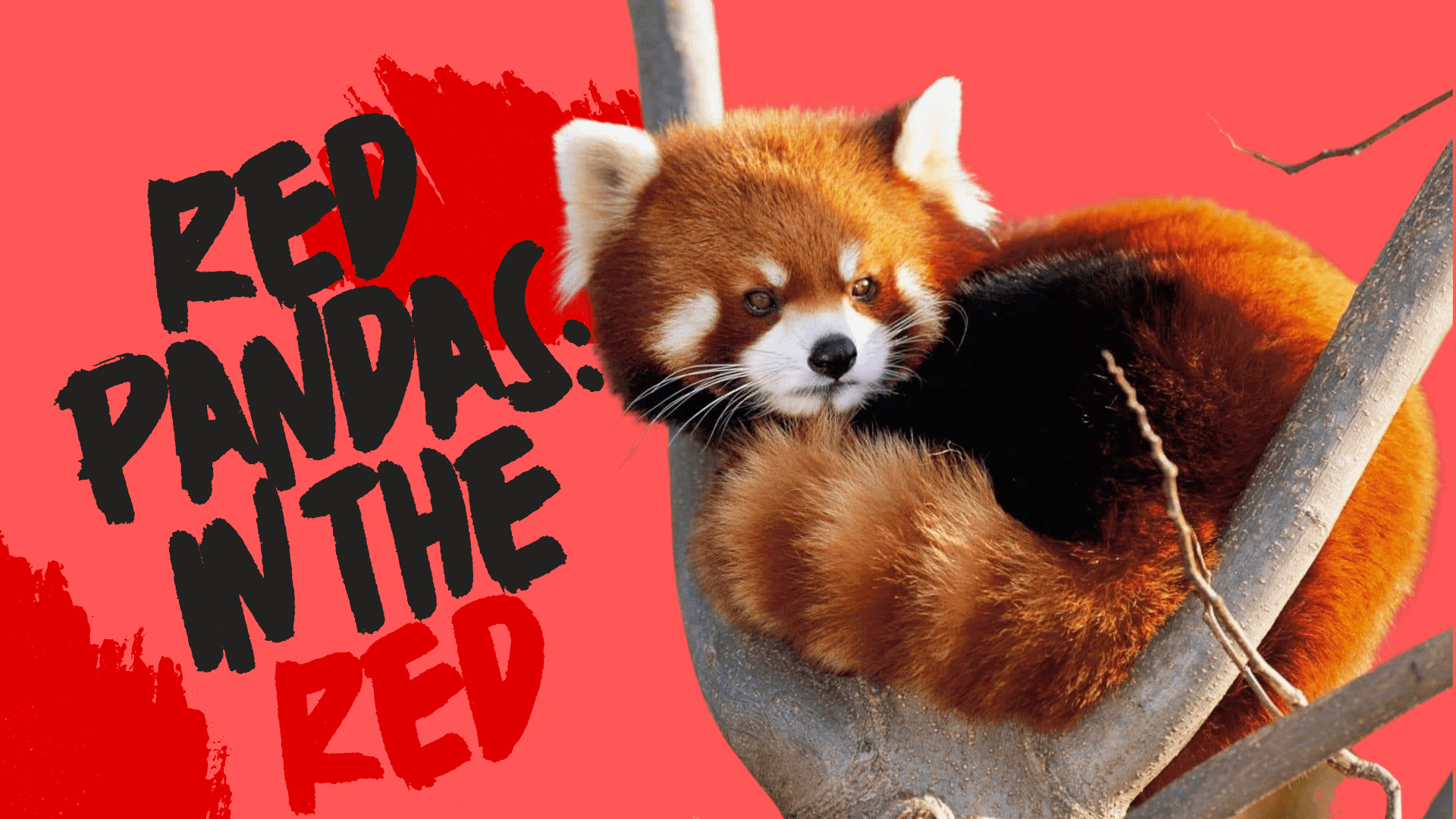
A Red Panda is not a true Panda; instead, it is part of a family known as Ailuridae, and they happen to be the only living member of this family, And one well known extinct animal in this family is Bristol’s panda that went extinct around five million years ago. Out of all living animals, they are most closely related to Skunks, Racoons, and Weasels. Because they are the only living species in this family, extinction is a huge concern for scientists and conservationists.
Now what threatens these animals is things that also threaten thousands of other species and have for hundreds of years. The first major threat to Red Pandas was poaching. Similar to the demand for Mink fur coats and hats, people sought after the lush fur of red pandas to make puffy warm hats. And the second thing we hear about all the time would be habitat loss, also referred to as deforestation. These creatures are slowly losing the homes they have known for hundreds of years, because people need more materials to build homes, and they need the space as well.
Like what's happened with many other species, people only decided to act when it was too late. Red Pandas only became classified as endangered in 2008, but their populations have been declining since the late 1980s, and in recent data, it's believed there are less than 10,000 left in the wild, and some even believe there could be less than 2,500.
Red Pandas are incredibly special animals, possessing flexible limbs to help them climb large and tall trees. Another truly amazing ability they have is called delayed implantation, this is where a female panda can store a fertilized egg inside her, and it does not immediately attach to the uterine wall. This ensures her cubs are born during warm months, because breeding season occurs during cooler months. Although this is an amazing adaptation, it poses threats to their population by slowing down the rate at which their population numbers increase.
Why they are important is a question lots of people tend to ask about numerous endangered species. But behind their adorableness, there's many benefits to having them around. They help keep bamboo ecosystems healthy, and act as an indicator for ecological health. If this species were to go extinct, other animals in their ecosystem, as well as plants can become threatened or overrun.
Scientists have been making large efforts to ensure these incredible animals have a stable captive population. Many Zoos across the United States, as well as in other countries run conservation programs. These programs typically take Red Pandas from other Zoos, and transport them to be bred at another zoo with a red panda there. This is essential to make sure genetic diversity is kept within the already small captive population. Without genetic diversity, there would be a possibility for birth defects both visible and not.
In the past 15 years, there have been major successes for the species. In 2011, the PIT corridor showed a 5% increase in the areas they inhabit. At the EEP (www.eaza.net), they expanded their population of captive red pandas by 400 by the end of 2019. And the Red Panda Network (redpandanetwork.org) in Nepal was able to transform community areas into stewards, which have reduced poaching and habitat destruction, and because of this they have been able to manage 50% of Nepal's Red Panda range.
Red Pandas are a critically endangered species, but large efforts have been made, and they have been successful in maintaining current populations, while also trying to breed more cubs to reintroduce in the future. Although many people aren't aware of the dangers these animals have faced, I am, and it is a goal of mine to help bring awareness to groups and programs you can donate to and help support the ongoing journey of bringing this species back.
ABOUT THE AUTHOR
No bio provided.
Instagram: Rom4nticlvr
COMMENTS
No comments yet. How about you be a Star to Comment?