The Fashion of Pointe
by Eugenia
by Eugenia
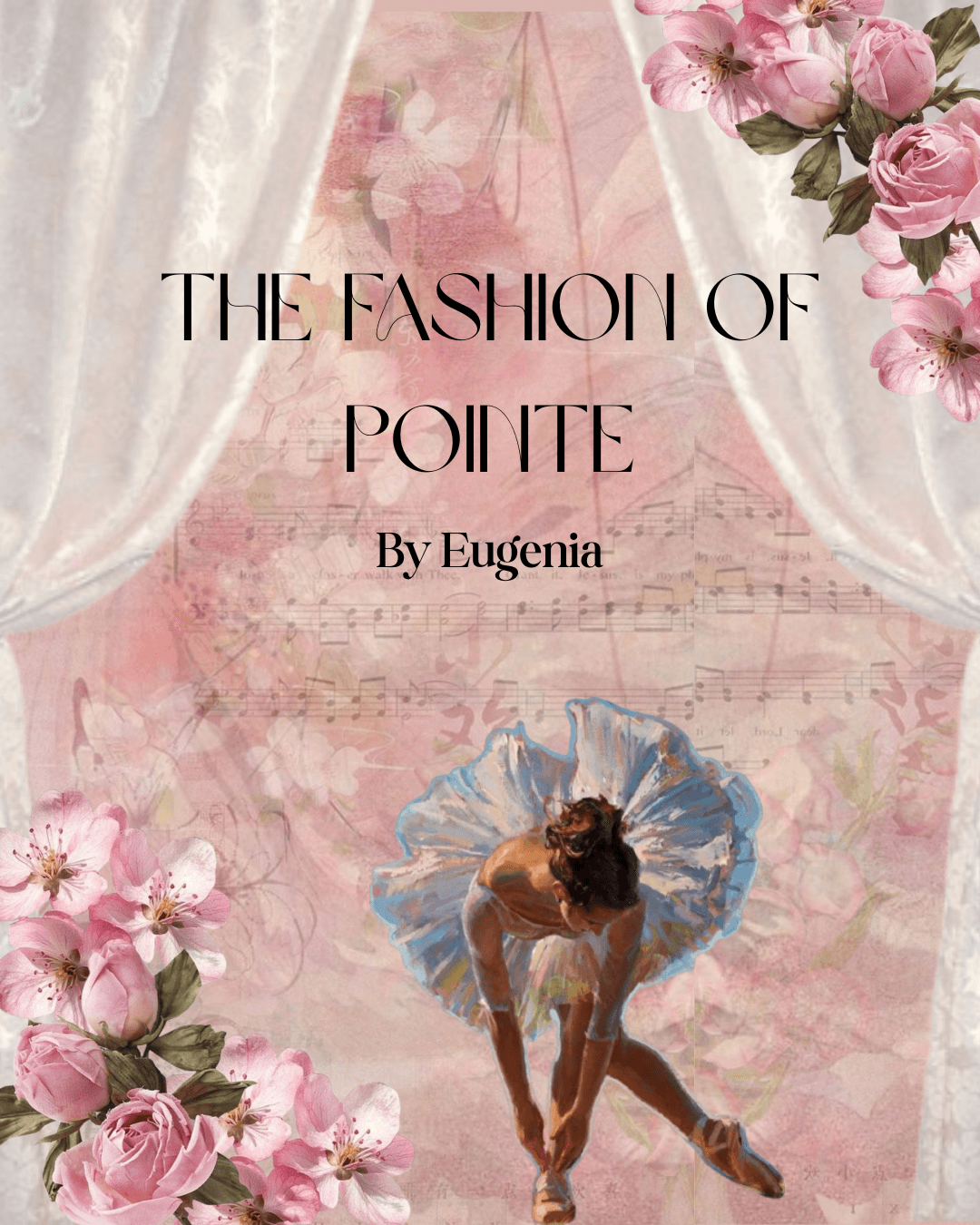
(Image 1 of 10)
Ballet. Ever since Black Swan showed us the raw reality of ballet—the discipline, the obsession with perfection, and the darker side of the stage—we could talk for hours about its hidden meanings, theories, and symbolism. But one thing we can't overlook is ballet's undeniable influence on fashion. Recently, pointe shoes have become one of the hottest trends. The coolest brands are now releasing their own collections, reimagining ballet-inspired footwear in bold and unexpected ways.
Yet long before designers turned pointe shoes into a statement piece, they carried a very different meaning. For ballerinas of the 19th century, they were not a trend, but a revolutionary invention that forever changed the way dance looked and felt.
The history of pointe shoes reveals how a delicately darned slipper introduced in the 1820s has transformed into a technical tool that offers dancers the utmost freedom on stage.
During years of ballet's birth in the courts of Europe, dancers performed heeled shoes in keeping with the fashion of the time. In the 1730s, Paris Opéra dancer Marie Camargo broke tradition by removing the heels from her shoes, paving the way for the soft ballet slipper we know today.
This innovation allowed Camargo to perform leaps and fast allégros that were not possible in heeled shoes, expanding movement vocabulary for ballerinas.
By the late 18th century, ballet embraced new theatrical magic. In the 1790s, Charles Didelot, a Paris Opéra Ballet dancer-turned-choreographer, invented a wire rigging system that allowed dancers to "fly" on stage. The device lifted dancers onto their toes before suspending them in the air - a precursor to the ethereal pointe work that would soon follow.
In 1823, the Italian ballerina Amalia Brugnoli introduced pointework to ballet audiences, rising up the tips of her toes in Armand Vestris' La Fée et la Chebalier. Brugnoli wore light stitched square-toed satin slippers, and had to use her arms and a visible amount of effort to get up on her toes. Nevertheless, she inspired the other dancers of the day, including Marie Taglioni, to practice the technique.
By the early 20th century, pointe shoes underwent another transformation. Prima Anna Pavlova, known for her unusually high and unstable arches, reinforced her shoes by adding leather soles and hardening the toe box for extra support.
When she toured the United States in 1910, Pavlova had her company fitted with shoes made by Salvatore Capezio, a Metropolitan Opera shoemaker. This collaboration launched one of the first international pointe shoe brands and brought pointe shoes into the modern era. Still, these early designs had rounded toes and narrow vamps, making them far less stable than the models dancers wear today.
In recent decades, pointe shoes have continued to evolve. In 1993, Gaynor Minded revolutionized the market with shoes that incorporated shock-absorbing material inspired by athletic footwear. This opened the door for innovation, as brands experimented with modern technology to improve durability, fit and injury prevention.
The journey of pointe shoes has never been simple or straightforward. Each generation of dancers and designers has reshaped them - literally and symbolically. From courtly slippers to high-tech footwear, they embody not only the history of ballet, but also the resilience of its performers. And today, with Generation Z embracing balletcore aesthetics, the pointe shoes have firmly stepped into the world of fashion. Global brands now reimagine it through their own creative lens - and what was once a symbol of discipline and sacrifice has become one of the hottest trends in style.
While pointe shoes began as a radical invention on the 19th-century stage, today they’ve leapt far beyond the theater, landing squarely in the world of fashion. Designers across the globe are reimagining the delicate satin slipper as both a nostalgic symbol and a cutting-edge accessory.
Miu Miu revived the ballet flat in its Fall/Winter 2022 collection, sending models down the runway in ribbon-tied slippers paired with leg warmers and miniskirts—a direct nod to ballet’s rehearsal rooms. The drop sparked a viral wave on TikTok, making ballet flats one of Gen Z’s most desired pieces. Sandy Liang went even further, launching her Mary Jane Pointes, shoes that look like they came straight out of a dressing room at the Paris Opéra—square-toed, satin, and unapologetically balletic.
But balletcore isn’t limited to flats. In 2025, the rise of the “sneakerina”—a hybrid of pointe shoe elegance and sneaker comfort—showed how versatile the trend can be. From Puma’s Speedcat revival to Vivaia’s Yancy Jogger Re-Nylon (a Bella Hadid favorite), brands are blending performance with romance, creating footwear that feels both modern and ethereal.
Even heritage houses like Ferragamo returned to their dance-inspired roots, presenting strappy satin shoes that wrap around the ankle like pointe ribbons.
What was once a tool of discipline and pain for ballerinas has now transformed into a symbol of grace, fragility, and fashion power. In every stitch, strap, or ribbon, designers are paying tribute to ballet’s heritage—while reshaping it for today’s streets and runways.
The story of pointe shoes reminds us that beauty, discipline, and creativity are timeless. From the daring leaps of 18th-century ballerinas to the streets of today’s cities, their influence endures. Modern brands celebrate this legacy, transforming a tool of artistry into a statement of style. Whether on stage or in everyday fashion, pointe shoes continue to inspire, showing that the elegance of ballet is far from confined to the theater.
ABOUT THE AUTHOR
No bio provided.
Instagram: loveisnotforeveryone
COMMENTS
No comments yet. How about you be a Star to Comment?